









Shop by Category
Threads of Time – The Cultural Resonance of Women’s Attire
Attire as Historical Artifact and Social Marker
The history of women’s dress is a rich and complex chronicle of societal change. Across different eras, clothing has served as a primary visual marker of status, social roles, and moral codes. Looking back, the lines of a garment can tell us a detailed story about the constraints and freedoms of the women who wore them—reflecting everything from economic prosperity to shifting political landscapes. Dress has always been inextricably linked to the definition of womanhood within any given culture.
Styles that seem purely aesthetic today were often, in their own time, revolutionary or controversial. The removal of restricting undergarments, the shortening of hemlines, or the adoption of clothing previously reserved for men were not just fashion whims; they were symbolic battles for autonomy and equality. Each change in silhouette or material choice represents a societal debate played out on the human form. Thus, the wardrobe is not just an aesthetic medium; it is a repository of collective memory, holding the imprints of social victories and cultural turning points.
The Enduring Legacy of Craft and Symbolism
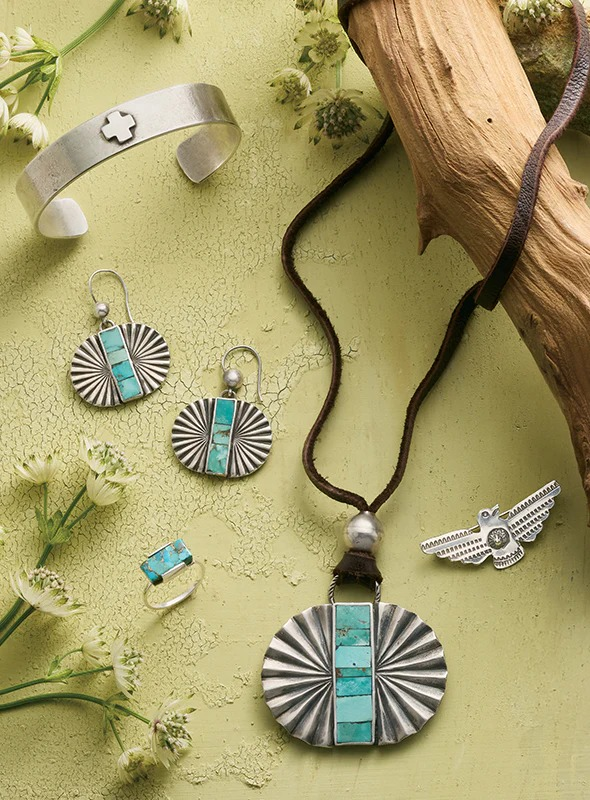
Beyond the major historical epochs, the true depth of clothing’s cultural resonance lies in the preservation of traditional textile arts and symbolic ornamentation. The intricate patterns, the meticulously learned weaving techniques, and the significant color palettes employed in garments across the world are a living testament to human ingenuity and heritage. These garments often convey information about the wearer’s regional identity, family lineage, or life stage.
The enduring appeal of these traditional forms in the contemporary context highlights a powerful desire for meaning and connection in a world dominated by mass production. When a modern designer incorporates a heritage technique, they are not simply borrowing a motif; they are engaging in a dialogue with centuries of established craft and deep-seated cultural symbolism. This movement reinforces the idea that true value in clothing is often tied to the human hands and stories that shaped its creation, elevating the textile from a simple object to a cherished cultural heirloom.
Bridging the Past and Present in Modern Dressing
In the current era, the way women dress is a powerful synthesis of historical reference and modern practicality. We see the conscious mixing of silhouettes from bygone decades, the reinterpretation of classic tailoring, and the enduring use of fabrics that have been revered for generations. This eclectic approach allows the wearer to create a personal style that is temporally rich—a look that acknowledges history while remaining firmly rooted in the present.
The ability to choose from this vast historical and cultural archive is a significant modern freedom. It means that clothing can be used to signal an affinity for a certain era’s values, to honor an ancestral craft, or simply to appreciate a form of beauty that has stood the test of time. This thoughtful engagement with the legacy of dress ensures that the feminine wardrobe remains a vital, complex, and beautiful cultural phenomenon—a flowing, continuous narrative that honors the past while enthusiastically embracing the future.